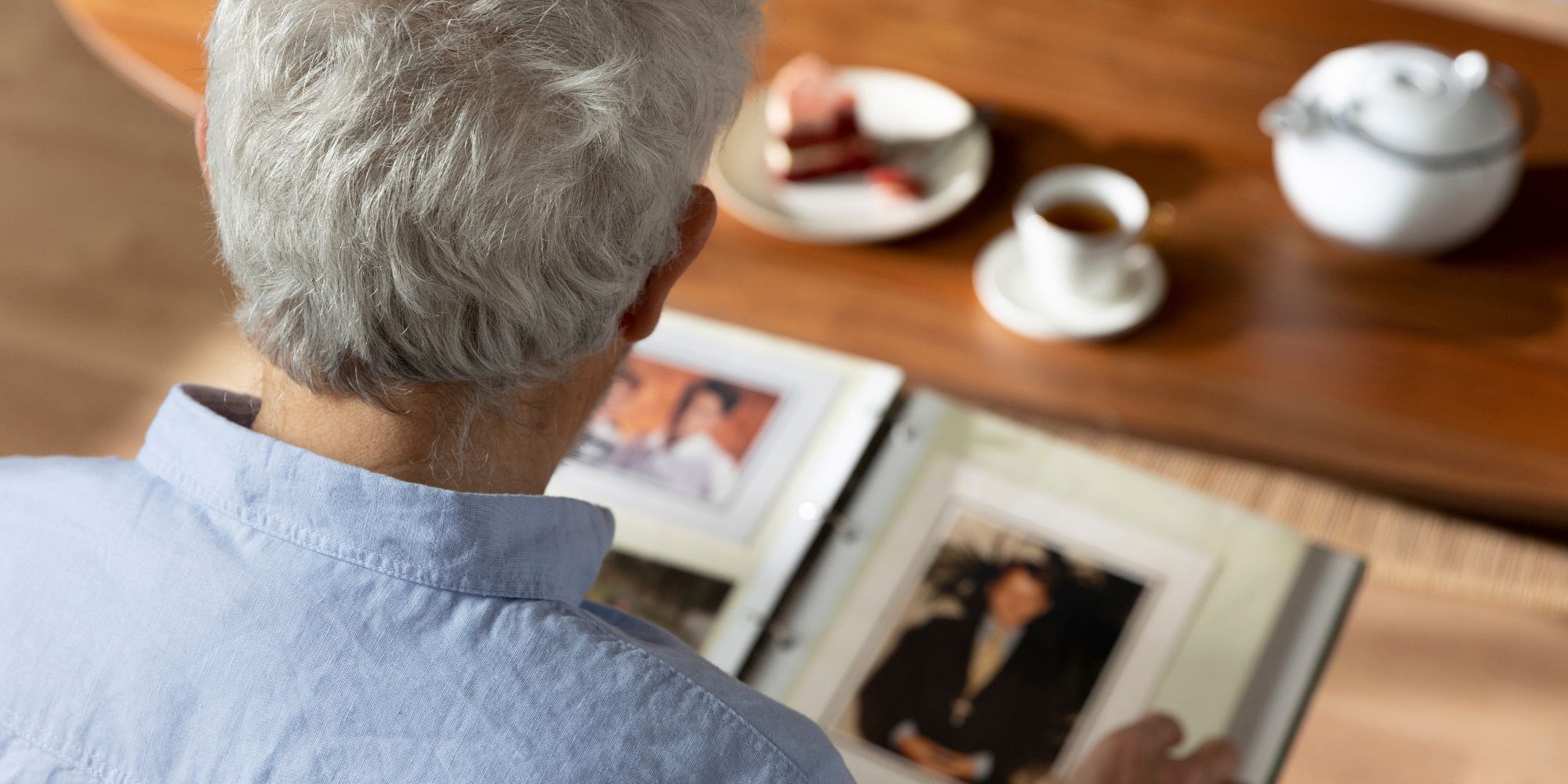
Have you heard of reminiscence therapy? It is a psychological technique increasingly used in the geriatric field,although it can also be applied to people of all ages.
In reminiscence therapy, people are encouraged to talk about their memories and past experiences, either in a group or in individual sessions with a therapist. Photographs, music, and other objects are often used to help evoke specific memories.
Do you want to know more about this enriching technique? In today's article, we present everything you need to know about this therapy, from what it is to what its benefits and risks are.
You may also be interestedthe aid that the Government offers for dependent people.
What will you find in this article?- How do NSAIDs work?
- What type of NSAID can we find?
- What side effects do NSAIDs have?
- Precautions when taking NSAIDs
How can reminiscence therapy help you?
Reminiscence therapy has beneficial effects on memory and cognition. By stimulating memory through recalling memories, patients can improve their ability to remember information and stay mentally active.
In a 2019 study by the Dialnet Foundation, it was found that reminiscence therapy may also be effective in treating disorders such as post-traumatic stress disorder (PTSD). By helping patients better process and understand their past experiences, reminiscence therapy can reduce PTSD symptoms and improve quality of life.
Importantly, reminiscence therapy does not only benefit older people. This therapy can also be effective in people of all ages who have experienced trauma or difficult situations in their lives.
How to prepare a reminiscence therapy session?
Aside from contacting your therapist and finding a suitable location for reminiscence therapy, there are other things you can do to prepare. Some of them are:
- Positive attitude:
It is essential to have a receptive attitude during reminiscence therapy. This technique can be very emotional and you need to be willing to explore the memories and feelings that may arise. With an open and non-judgmental mindset, you will be ready to discover the benefits that this therapy can offer you. - Make a list of beautiful memories:
A great way to prepare for reminiscence therapy is to make a list of important events or moments in your life that you want to explore during the session. This will help you focus on specific issues and have a clear idea of ​​what you want to achieve with therapy. - Take the necessary organizational time:
Take a moment to reflect on your memories before your therapy session. This will help you remember important details and be better prepared to explore your emotions and thoughts during the session. Remember that reminiscence therapy can be a very enriching experience!
- Positive attitude:
By being prepared and having a positive attitude, you will be able to take full advantage of the benefits of reminiscence therapy and explore your memories in comfort and safety. Don't miss the opportunity to improve your memory and emotional well-being!
Main reminiscence techniques
There are several techniques that can be used in reminiscence therapy. Some of them include telling stories, reviewing photo or video albums, collecting meaningful objects, and creating life journals.
Your therapist will help you choose the most appropriate techniques for your situation and needs. Some of them may be:
Storytelling
Telling life stories is a very valuable tool in reminiscence therapy. By remembering and sharing our experiences, we can process and understand them better. Additionally, telling our personal stories can be a powerful way to connect with others and build meaningful relationships.
Collection of significant objects
Another very effective technique in reminiscence therapy is the collection of significant objects. By choosing objects that have emotional value to us, we can remember important moments in our lives and connect with our emotions.
These objects can be photographs, letters, meaningful gifts, or anything that has sentimental value to us and helps us evoke specific memories.
Creation of life diaries
Finally, creating life diaries is a technique that can be very useful for reminiscence therapy. By writing about our past experiences, we can process our emotions and thoughts in a deeper way. Additionally, having a written record of our experiences can be a valuable way to remember important moments in our lives and see how we have grown and changed over time.Â
What precautions should be taken when using NSAIDs?
Reminiscence therapy can have a very positive impact on the quality of life of older people. In addition to the benefits already mentioned, such as improved memory and cognition, it can also help older people feel more connected to their loved ones and reduce the feeling of isolation and loneliness they often experience.
Reminiscence therapy can be a very emotional experience, so emotional support before and after the session is essential. Although it is generally safe and has no side effects, it is important to find a suitable therapist who will guide the process respectfully and carefully.
The benefits of reminiscence therapy can be very valuable and long-lasting, as it can improve memory, cognition, and overall quality of life.
Disclaimer: At IMA we offer advice and information about our products. Consult with an expert before making any decision that may affect Â