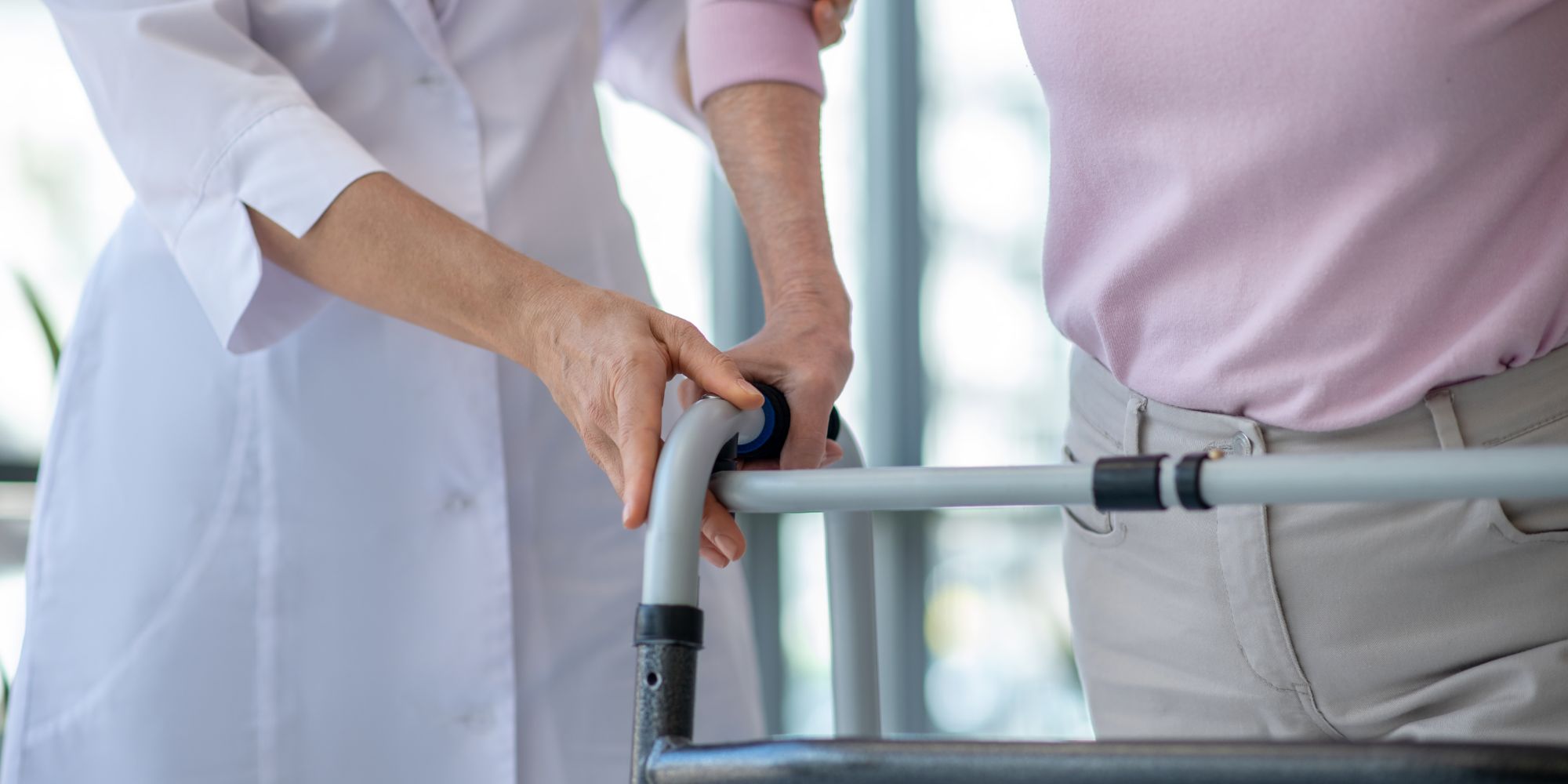
Walkers for the elderly are one of the most useful resources when it comes to reinforcing the autonomy and independence of people with reduced mobility. These assistive devices are designed to provide support and balance during short trips and walks, as well as shopping or other tasks.
They come in different shapes and sizes, and each one of them fulfills a specific function. Therefore, we recommend that you buy the characteristics of each walker, and choose the one that best suits your needs, or those of your family member.
In this article we explain how to apply for a walker through Social Security, and what benefits it can bring you.
You may also be interestedState aid when caring for family members and dependents.
What will you find in this article?- Take note: these are the 10 keys to the electronic prescription
- Know all the advantages of the electronic prescription
- You can also receive your medication organized at your doorstep.
- But... What happens if I change Autonomous Community?
How can a walker help you in your daily life?
A walker for seniors can be the safest and most comfortable way to get around. Among its benefits, we would like to highlight the following points:
- Helps prevent falls: Walkers provide stability and support while walking, reducing the risk of falls.
- Promotes independence: By providing additional support, walkers allow older people to walk with greater confidence and can therefore attend events or perform tasks autonomously.
- Relieves pressure on joints: Walking with a walker relieves pressure on the knees and hips, often reducing pain and inflammation.
- Provides a place to sit: Those walkers that have a seat allow older people to rest between walks.
- Helps prevent falls: Walkers provide stability and support while walking, reducing the risk of falls.
As you can see,walkers are ideal for people who need a little extra support and stability when walking, but who still maintain the strength and psychomotor capacity to carry it out without further help.
Download the free guide to request your walker at Social Security!
Walkers for the elderly, or wheelchair, which one to choose?
If you are considering purchasing a walker for the elderly, you are probably considering other alternatives, such as a wheelchair. If this is your case, we recommend asking yourself the following questions:
- What is the level of mobility?If you need a little support, but can move independently, the walker is a good resource that will help you exercise and strengthen your muscles.
- Does using the walker cause you too much effort? If the person who is going to use this device tires easily, or cannot move on their own for short periods of time, it is better to have a wheelchair, preferably an electric one.
- Is the environment adapted?If the hallways at home are narrow, or you don't have an elevator, it will probably be difficult to get around with a wheelchair.
- What is the level of mobility?If you need a little support, but can move independently, the walker is a good resource that will help you exercise and strengthen your muscles.
Whichever option you choose, always prioritize your comfort or that of your family member. Both walkers for the elderly and wheelchairs are two instruments that allow the elderly to stay active and promote their autonomy.
How to get a walker through social security?
If you want to purchase a state-subsidized walker,It is very important that you request it at an authorized Social Security center. To do this, you must first go to your family doctor, who will decide what is the best solution for you.
It is also essential to evaluate the physical capabilities of the person requesting a walker. This includes psychomotor abilities, vision, or your mental health status.Loss of mobility is sometimes caused by other health problems, so it will be crucial to ensure that there are no other aspects to treat.
Once the need to use a walker for the elderly has been verified, you will be issued a PAO document (provision of orthopedic articles), with which You can go to an establishment specialized in orthopedic devices.
After the purchase, you can request a refund of the amount, depending on the proportional part that the state has to pay. To do this, you will need to provide the following information:
- PAO document prescription made at your public medical center.
- Patient ID
- Current account where the subsidy must be paid
The amount you receive will depend on your personal situation and the device that has been prescribed for you. The most common thing is that the State will refund practically the entire amount, except for the first €30, which usually comes out of the patient's pocket.
What is the best walker for seniors?
Generally, your family doctor will help you choose the walker that best suits your needs, and will explain how to use it optimally.
If you prefer to go to the establishment directly, it is important that you take these points into account, so that you can choose the most appropriate walker for seniors:
- Size:It is important that it adapts to the height and weight of the person who is going to use it.
- Style:Walkers are available in various styles, from basic models to more advanced designs with wheels, seats, and other accessories. Each of them will provide a series of benefits that, in most cases, will also impact the price.
- Ease of use: A walker for the elderly that is too complex will not be useful if the person who must carry it does not know how to use it. In addition to offering the best features, make sure it is compatible with the patient's abilities.
- Comfort:Walkers must be made with resistant materials, and have appropriate reinforcement. Always look at the handlebars, if it has armrests, it allows you to sit down to rest.
- Budget: Walker prices vary depending on style and quality. It is important to compare different models and choose a walker that fits your budget.
- Size:It is important that it adapts to the height and weight of the person who is going to use it.
Currently, you can find quality walkers at very reasonable prices in El Corte Inglés. These can vary between €50 and €100, and include essential elements such as wheels, padded handlebars, or seats on the walker itself.
In Queraltó they also offer walkers for older people, sometimes at a slightly higher price. In their catalog we can see walkers with brakes at hand height, folding, or with back support.
If you want to know more about caring for the elderly, don't forget to subscribe to our newsletter!
Disclaimer: At IMA we offer advice and information about our products. Consult with an expert before making any decision that may affect your health.