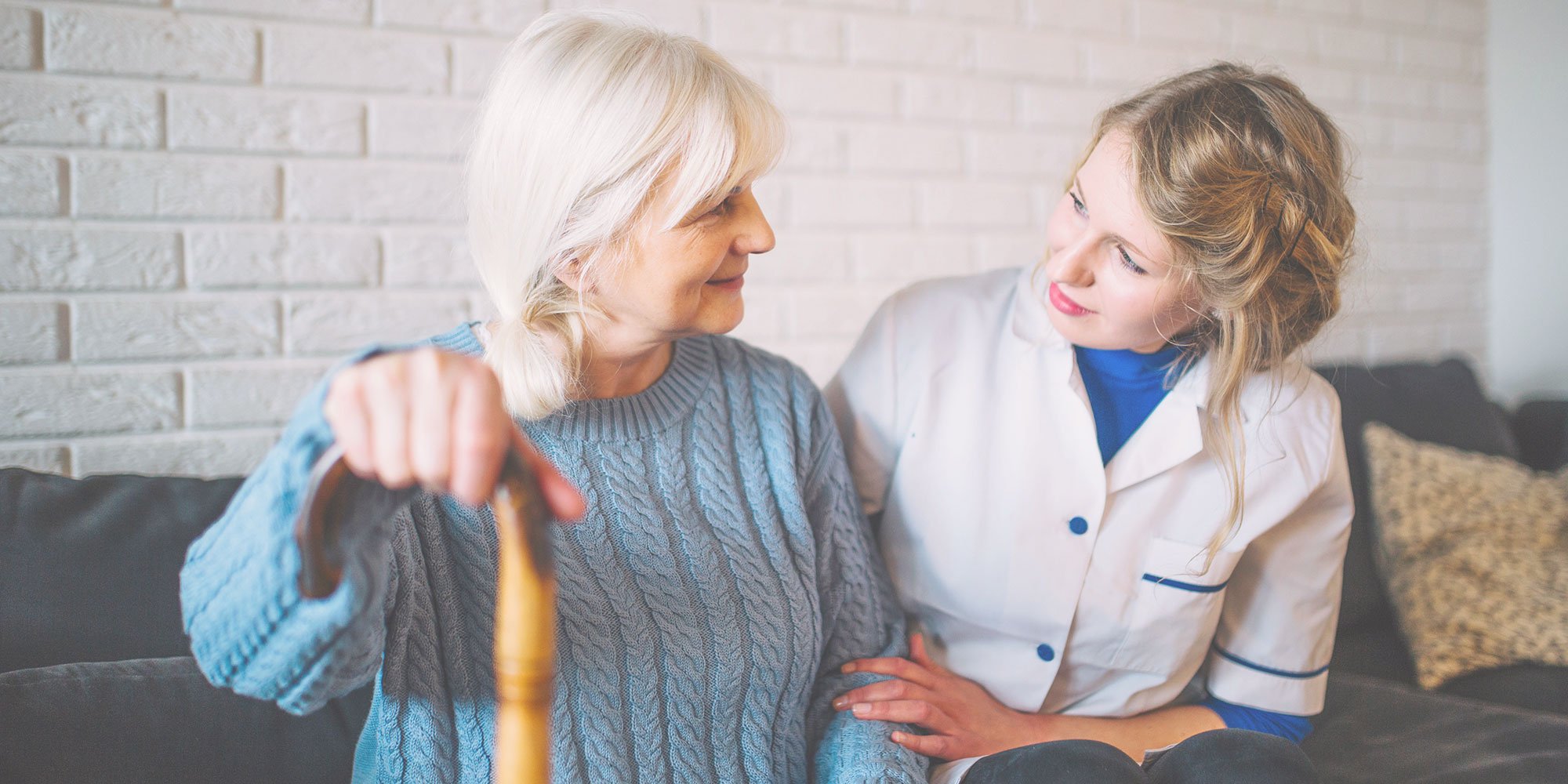
Lack of adherence generally does not occur voluntarily. As we have already seen in our previous post about persistence, There are various factors that can alter the evolution of our state of health. One of them is, without a doubt, the social environment and loneliness.
In this article we talk to you about how loneliness in older people causes a lack of adherence, and how we can avoid this situation.
You may be interestedthe 5 points to improve adhesion.
What will you find in this article?- How can age cause lack of adherence?
- Why are older people alone?
- Why does loneliness cause lack of adherence?
- What can be done to remedy loneliness among the elderly?
How can age cause lack of adherence?
The daily life of someone retired can change a lot compared to that of someone younger. The ailments of age prevent us from leading the same pace of life, and activities tend to be less and less stimulating. Sometimes this triggers unwanted loneliness for many.
This is how the Farmaindustria Foundation explains it to us in its report: “Survey on therapeutic adherence in Spain.â€
“The social cohesion generated by the family group is decisive; on the contrary, cases of loneliness or social isolation are one of the factors that most influence the lack of adherence, especially the lack of monitoring and control of the disease.â€
At IMA we believe that taking care of yourself is taking care of those you love most. Despite this, not everyone has a large family nucleus, nor is they closely related to other people who help manage drug persistence.
Why are older people alone?
Women over 65 years of age are the people most at risk of living alone. In Spain the number of elderly people living alone increases every year, accounting for 10.4% of the population.
On the other hand, more than half of the Spanish population suffers from some perceived chronic illness or health problem. In fact, almost 26 million have consumed some medication in the last two weeks, according to the Farmaindustria Foundation.
Patients with less social support and medication compliance have a 3.5 times greater risk of going to the emergency room.
When both cases come together, the situation can become dangerous. According to data from the University of California, patients with less social support and medication compliance have a 3.5 times greater risk of emergency visits, hospitalizations, and death during the follow-up period.
NoneWhy does loneliness cause lack of adherence?
There are indications that link polypharmacy with social isolation. This was confirmed by the University of Toronto after conducting an investigation into this lack of support when managing treatment.
It was carried out on more than 15,000 elderly patients (65 or more), who organized their own medication without external help. The researchers were able to verify that this profile tended to take more drugs than necessary, misusing analgesics and benzodiazepines.
We can find different reasons why the absence of social interaction causes lack of adherence. Following the conclusions of the University of Toronto, we must consider the following scenarios:
Greater perception of ailments:
Anxiety, as well as other problems, tend to manifest in hostile social environments. Some evidence supports this reasoning; For example, loneliness has previously been linked to increased depression and pain.
Lack of support:
When someone has problems organizing their medication, external support is key to ensuring their persistence in treatment. One way to manage this situation would be through the help of family members or a telecare company.
As the Farmaindustria Foundation expressed:
“If in these cases situations of cognitive deterioration are added, persistence is only possible with a program of monitoring and care by the healthcare system.â€
What can be done to remedy loneliness among the elderly?
If you have an elderly person in your care, or a family member begins to show a lack of adherence around your circle, you can help them in different ways:
- Identify the tasks that are costing you the most to carry out:New technologies and advanced age do not always go well together. Find out which tasks are most difficult for him and offer him an alternative. An example is replacing a manual pill box with an SPD service, where a licensed pharmacist will be responsible for organizing your medication. Â
- Offer support: Maybe all you need is help managing certain household tasks. Home care or your own presence can reduce the daily burden and allow you to carry out other social activities, such as going to a day center or going for a walk with friends. Â
- Look for activities designed specifically for him: There are different associations that carry out actions especially aimed at elderly people. An example of this is the painting workshop for seniors run by Obra Social La Caixa. Other relevant organizations are the Red Cross with its Enrédate program, Friends of the Elderly, or Contra La Soledad.Â
- Hire a support service: If what worries you most is that the medication is taken, but due to time or distance you cannot visit your family member as much as you would like, you can hire a telecare service that reinforces their pharmacological persistence.
- Identify the tasks that are costing you the most to carry out:New technologies and advanced age do not always go well together. Find out which tasks are most difficult for him and offer him an alternative. An example is replacing a manual pill box with an SPD service, where a licensed pharmacist will be responsible for organizing your medication. Â
At IMA we take care of those you love most with you. If you think that the health of a family member or friend may be at risk due to not organizing their medication correctly, We recommend offering you the IMA service.
Links of interest:
INE. Health status: perceived health status, chronic diseases, functional dependence.
EFE. Loneliness is installed in Spanish homes the year of the pandemic.
Disclaimer: At IMA we offer advice and information about our products. Consult with an expert before making any decision that may affectÂ