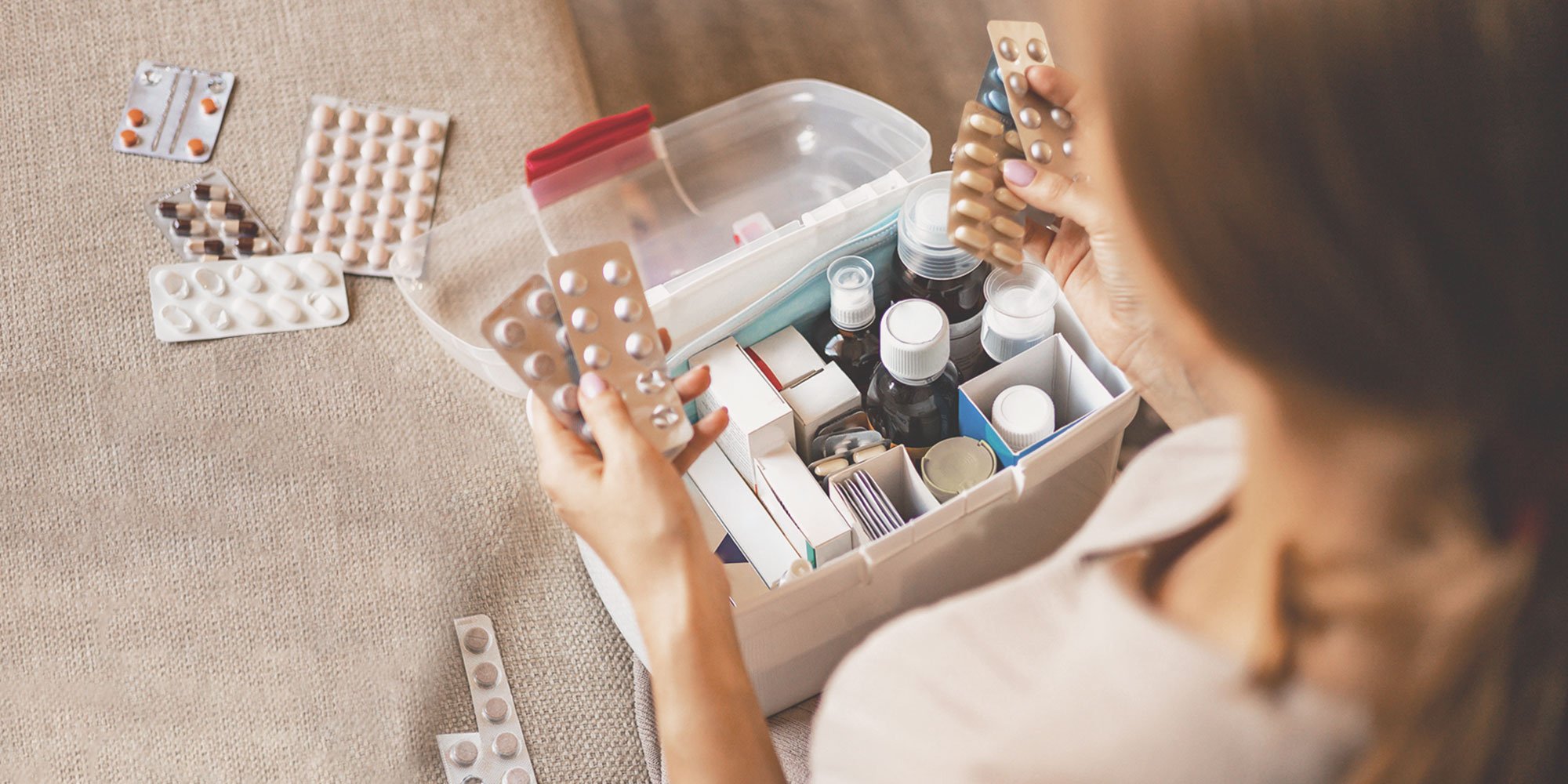
How do I know if I am taking organized medication correctly?
This is one of the most common questions when insuring the medical plan. As patients, we are responsible for organizing our medication as prescribed by the healthcare professional.
However, as Dr. Manuel Escolar, a Cinfa doctor, assures, there is a high dropout rate throughout the treatment. “It is estimated that there is a 39% abandonment of drugs prescribed by the general practitioner, and 22% of those prescribed by specialists.†He affirms.
ÂAn estimated 39% abandonment of drugs prescribed by the family doctor
Correctly adapting to your instructions will favor the adherence to treatment, having a positive impact on our health and well-being.
There are a series of common mistakes that can interfere with our medical plan, and we must avoid them at all costs. An example of this is the use of homemade manual pill boxes and other preparation methods.
In this blog we tell you the 5 most common mistakes when organizing medication, and how you can avoid them.
If you care for the elderly or dependent people, keep these instructions in mind, since the consequences of poor organization of daily feedings can be greater.
Are all errors serious?
When it comes to taking daily intakes, we can make small and innocent misunderstandings. Now, both the context and the recurrence will determine the severity of the situation, and how it can affect our health.
It is not the same situation if we make a mistake when organizing the weekly blister pack medication, or simply forget to take an ibuprofen.
We can classify errors in the organization of treatment in two ways:
Preventable Adverse Medication Event: These are all those oversights or changes in treatment that cause direct harm to the patient. These may be nausea, malaise, or worsening of the illness. Potential medication adverse event: Those occasions when, fortunately, no harmful consequences are observed in the polypharmacy patient.Â
Top 5 most common mistakes when organizing pills
Drugs are usually composed of two main objectives: curing and preventing future diseases. In order to achieve this, we recommend that you take note of the following tips when organizing medication at home:
1. Store medications in a suitable place
In how many movies have you seen the first aid kit stored in the bathroom closet? For many it is the most natural place to organize medication at home. However, it is the least recommended room in the home.
- Keep them in a dry place and at the right temperature. It is best to avoid humid places like the bathroom. On the other hand, you must read the instructions on the container carefully to know if you should keep it in the refrigerator or at room temperature.
- Away from heat sources or direct light. Like humidity, these conditions may modify the properties of medications.
When we care for the elderly or family members, we must make it clear to them which is the most appropriate place to organize the weekly first aid kit.
If you use some type of homemade pill box or weekly blister, we must make sure that it is stored in a suitable area, where temperature changes do not interfere with daily intakes.
2. Be careful with expiration dates
Although we all know that it is not advisable to take expired medications, it is common to fall into these oversights if we are not careful.
One of the most common causes of taking expired medication is ignorance or lack of maintenance of our home medicine cabinet. To avoid this, we recommend you adopt these habits:
- Review boxes piled up monthly.
- Organiza your medication based on its duration or date of purchase.
- Evita leaving old boxes forgotten at the bottom of the drawer.
- Mark if a medication expires soon, or write down on your calendar what day you should take it to the specific container at the pharmacy. Â
As we mentioned in the previous point, taking care of elderly or dependent people can require greater effort to avoid these mistakes. It is important to explain to them the importance of not eating expired products, and not leaving medication disorganized in a pill box without labels.
In this way, we will not only prevent them from ingesting expired medication, but also from confusing daily intakes by being out of an organized pillbox or weekly blister pack.
3. Do not manipulate the medication as you wish
The medication usually comes organized into daily doses and ready to take. This can happen whether we receive a weekly pill box or SPD ready, as if we acquired the drugs in their original box.
If when organizing the medication we alter its form or the measuring utensils for daily intakes, we may be interfering with the treatment. To avoid this, keep these points in mind:
- Do not use spoons and other kitchen utensils as references.We may possibly run the risk of not receiving the daily intake correctly, potentially suffering an overdose or insufficiency.
- Do not dissolve drugs in water or manipulate their shape.Before organizing your medication, consult with the pharmacist or read the instructions carefully.
- Be careful with capsules and tablets.Some are specially designed to dissolve in our digestive system, or gradually from the moment we have taken it. Before breaking a new pill, see if it has a slot to help divide it, and read the instructions carefully beforehand.
4. Actively participate in decision making with your doctor
If you think you are going to have difficulties organizing your medication, or the treatment does not fit your lifestyle, talk to the healthcare professional in charge.
You, as a patient, can provide information of interest that helps the doctor establish a plan best suited to your circumstances.
An example of this could be replacing pills with tablets, for example. Try to agree with your doctor on the best method to deliver daily doses, and to better organize your medications.
5. Do not follow treatments that have not been prescribed by a healthcare professional
We often receive advice from family and friends who have been through situations similar to ours. However, allowing ourselves to be guided exclusively by patients and not by professionals can lead to a bad diagnosis and have an impact on our health.
Nor should you disorganize the weekly blister packs that the pharmacist prepares, nor should you alter the amount intended for each daily dose.
Before establishing a treatment, make sure it is right for you by consulting with a specialist.
Organize your medicationwithout carelessness
Today we have mentioned some of the most frequent errors in taking medication. You must remember that, if you follow the treatment correctly, they will always be avoidable.
Of course, there are other variables that you will need to take into account. Therefore, we recommend you take a look at our 6 tips to have your medical plan under control.
Disclaimer: At IMA we offer advice and information about our products. Consult with an expert before making any decision that may affect your health.